
Ever notice how the one thing we never think about is the thing holding everything else up? We obsess over paint colors, countertops, and light fixtures, but the foundation? Out of sight, out of mind—until it isn’t. Then, it becomes the only thing we can think about. A crack in the drywall, a door that won’t close, a musty smell in the basement… these are our house’s way of whispering (or sometimes shouting) for help.
Let’s have a real talk about what’s going on under our feet here in Colorado. We’re not just dealing with a house; we’re dealing with geology, weather, and the unique challenges of building on soil that has more mood swings than a reality TV star. IMO, understanding your foundation is the first step to protecting your biggest investment.
What’s Really Going On Under Your Colorado Home?
We need to start with the ground itself. Colorado soil is… special. We have expansive clay that swells like a sponge with spring moisture and shrinks in the summer heat. We have areas with poorly compacted fill from decades ago. This constant movement is the primary antagonist in our foundation story.
When the soil moves, your foundation has to deal with it. A proper foundation inspection is like a doctor’s physical for your home. It tells us if we’re looking at normal settling or a serious structural issue. We see everything from cracked walls and sticking windows to more severe signs like sloping floors or gaps around window frames.
So, when should you panic?
Honestly, don’t panic. But do act. A single, thin, non-progressive crack might just be cosmetic. But if you’re seeing cracks that are widening, stair-step cracks in brick, or doors that no longer latch, it’s time to call a professional foundation contractor for an assessment.
The Toolbox: Common Fixes We Use in the Denver Area
Not every problem needs the same solution. The right fix depends on the cause, the type of foundation, and, yes, the cost. Here’s a breakdown of the most common services we provide at Bedrock Foundation Builders.
For Settling and Sinking: Underpinning and Leveling
When parts of your foundation sink, we need to lift and support them. Foundation underpinning services involve installing new, deep supports (like steel piers or helical piles) down to stable soil. It’s like giving your house a new set of legs.
For less severe settling, especially with concrete slabs, concrete leveling (often called mudjacking or slabjacking) can be a fantastic, less invasive option. We pump a grout mixture under the slab to lift it back into place. It’s faster and often at a lower price point than major underpinning.
For Moisture and Pressure: Waterproofing and Drainage
Water is public enemy number one for foundations. Poor drainage creates hydrostatic pressure against your walls and turns soil into a mushy mess. Basement water proofing and proper drainage solutions aren’t just about a dry basement; they’re about soil stabilization. By managing water, we stop the problem at its source. This often involves exterior membranes, interior drainage channels, and sump pumps. Think of it as giving your foundation a good raincoat and a reliable umbrella.
For Specific Foundation Types: Targeted Repairs
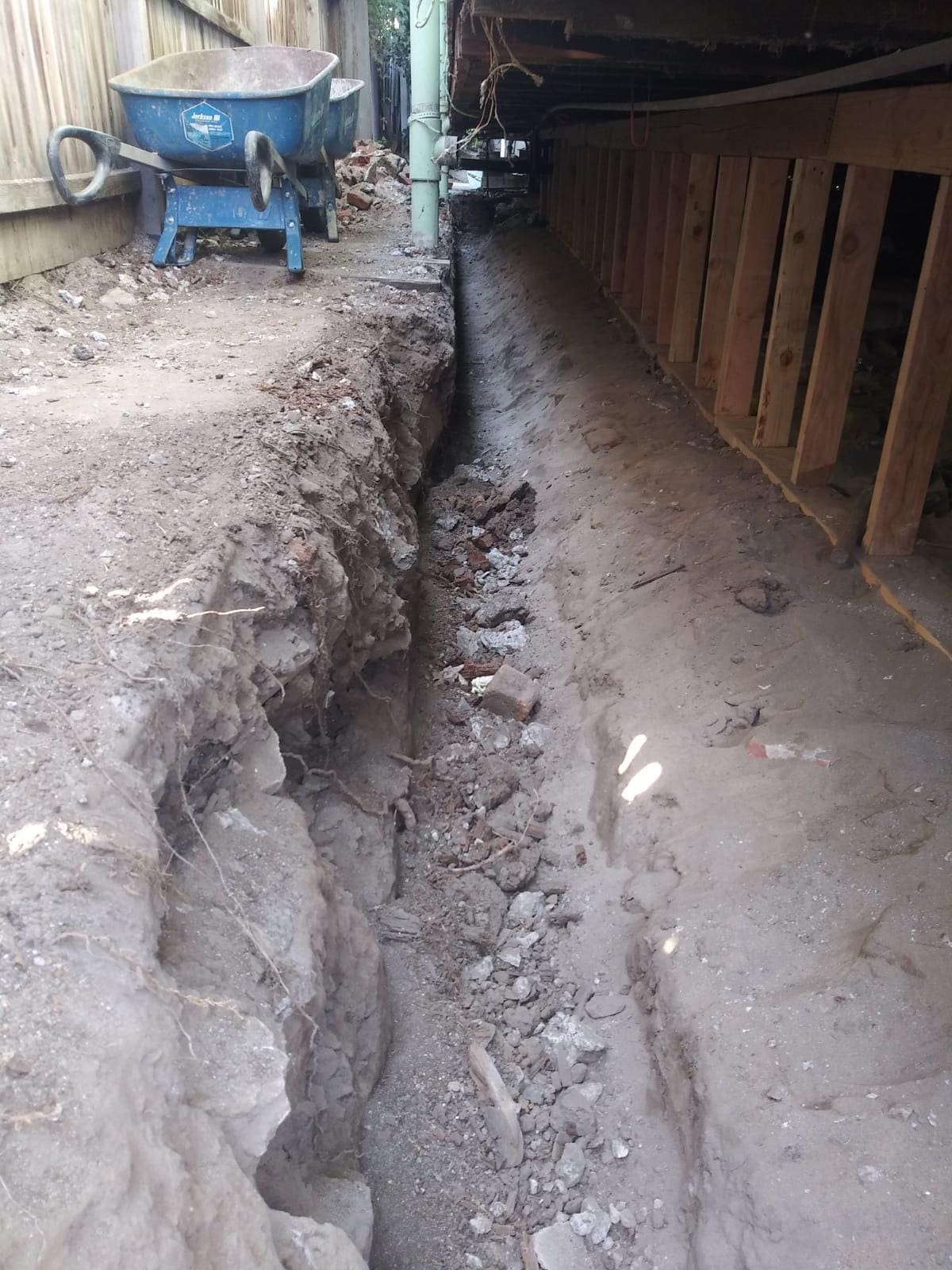
- Post and Pier Foundation: Common in older homes, these can sag or rot. Crawl space repair often involves replacing damaged posts, adding new piers, and installing moisture barriers to protect the wood.
- Stem Walls: The short walls that support floor joists can crack. Stem wall repair typically involves stabilizing and reinforcing these walls with steel or carbon fiber.
- Floating Foundation: These monolithic slabs are common here. They’re called “floating” because they rest on the soil and can move with it. Problems arise when that movement is uneven, requiring soil stabilization services or leveling.
Comparing Your Options: A Quick Reality Check
Let’s be honest, the cost is a huge factor. While we can’t give specific quotes here (every house is a snowflake, especially near Denver with its mix of old and new), we can give you a framework. Here’s a simplified comparison of common approaches.
| Solution | Best For… | The Upside | The Downside | General Cost Consideration |
|---|---|---|---|---|
| Concrete Leveling | Sunken concrete slabs, driveways, walkways. Minor foundation settling. | Fast, minimally invasive, less disruptive. | Not for severe structural issues. May not be permanent if soil isn’t stabilized. | Often the most budget-friendly entry point for slab issues. |
| Foundation Underpinning | Significant settling, structural instability, major differential movement. | Permanent solution when installed correctly. Stops the movement. | More invasive, requires excavation, higher initial investment. | A significant project, but it protects the home’s value and safety. |
| Basement Waterproofing | Chronic moisture, seepage, mold, high humidity. | Solves the water problem, improves air quality, protects belongings. | Doesn’t address structural settlement if it exists. | Wide range based on interior vs. exterior methods. Crucial for health of the home. |
| Drainage Improvements | Yard pooling, soggy soil near the foundation, gutter runoff issues. | Addresses the root cause of water and soil problems. | May require landscaping reinstatement. | Can be very cost-effective preventative maintenance. |
Why Choosing Local in Colorado Isn’t Just a Cliché
You could hire a national chain, sure. But would you trust someone from Florida to understand our freeze-thaw cycles? Or someone from the coast to get our expansive clay? At Bedrock Foundation Builders, our entire world is the soil and structures of Colorado. We see the specific patterns of failure in Highlands Ranch versus Park Hill versus Golden.
We’ve built our business on fixing the unique problems Colorado homes present. That local expertise means we can often diagnose issues faster and recommend the most effective—not just the most expensive—solution. We’re your neighbors, and we plan on being here in Denver for the long haul, which means we stand behind our work.
Your Top Questions, Answered Straight
1. How much does foundation repair cost in Colorado?
Ah, the million-dollar question (hopefully not literally!). There’s no one-size-fits-all price. A small crawl space repair might be a few thousand dollars, while a full perimeter foundation underpinning project can be a major investment. The only way to get an accurate number is with an on-site inspection. We factor in the type of repair, accessibility, and the scope of work. At Bedrock Foundation Builders, we provide detailed, transparent quotes so you know exactly what you’re paying for.
2. Will my homeowner’s insurance cover this?
Usually, no. Most policies exclude foundation damage caused by settling, soil movement, or “earth movement.” They typically only cover sudden, catastrophic events like a tree falling on your house. It’s a bitter pill to swallow, but it’s better to know upfront. FYI, we’re not insurance experts, but we’ve seen enough claims to know the general pattern.
3. How long does the repair process take?
A standard foundation repair project for an average home, like installing a series of piers, might take 3-5 days. Concrete leveling can often be done in a day. More complex projects involving extensive drainage work or basement water proofing will take longer. We always map out a clear timeline before we start, because we know you live in your house—we’re not fans of endless disruption either 🙂
Wrapping This Up: Don’t Wait for the Whisper to Become a Scream
Ignoring foundation issues is one of the few home maintenance mistakes that actually gets more expensive over time. What starts as a cracked wall can lead to plumbing breaks, roof alignment issues, and a serious hit to your home’s resale value.
The best move is to get informed. Look for the signs. And when you’re ready, have a local expert take a look. We at Bedrock Foundation Builders offer those crucial foundation inspection services to give you peace of mind and a clear path forward. We love helping Colorado homeowners protect what they’ve built—from the ground up. So, if something feels off, give us a shout. Let’s make sure your bedrock is truly bedrock solid.
Comments are closed