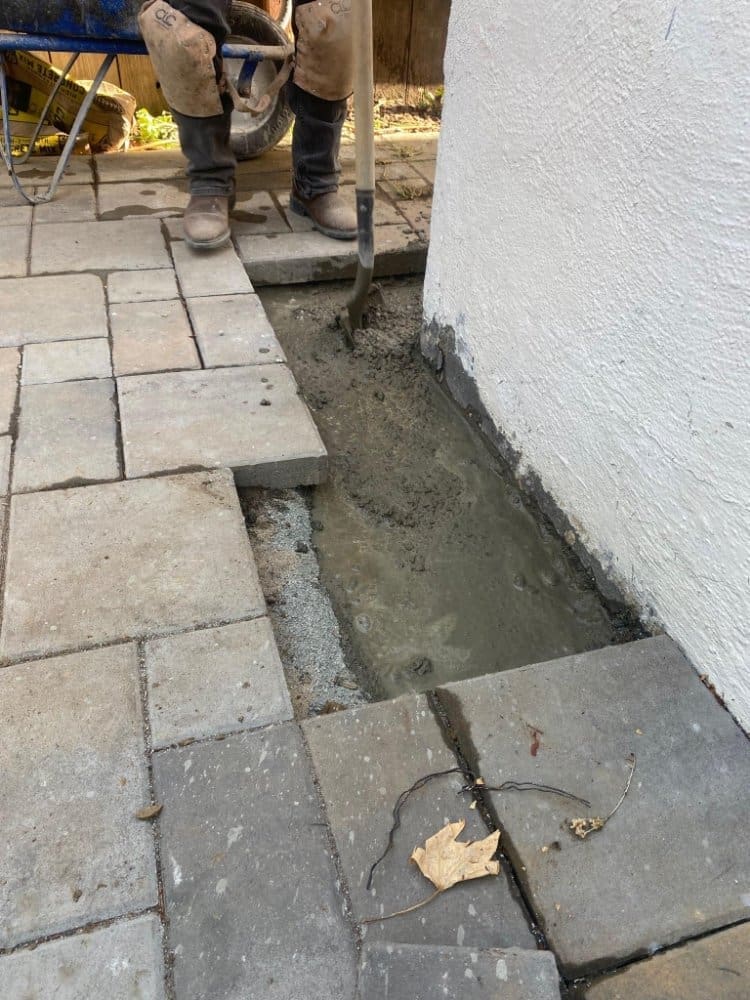


Strengthen your foundation, repair cracks, and enhance its stability to ensure long-term structural support.

Conduct a comprehensive evaluation of foundation condition, detect potential problems, and offer professional advice for upkeep.

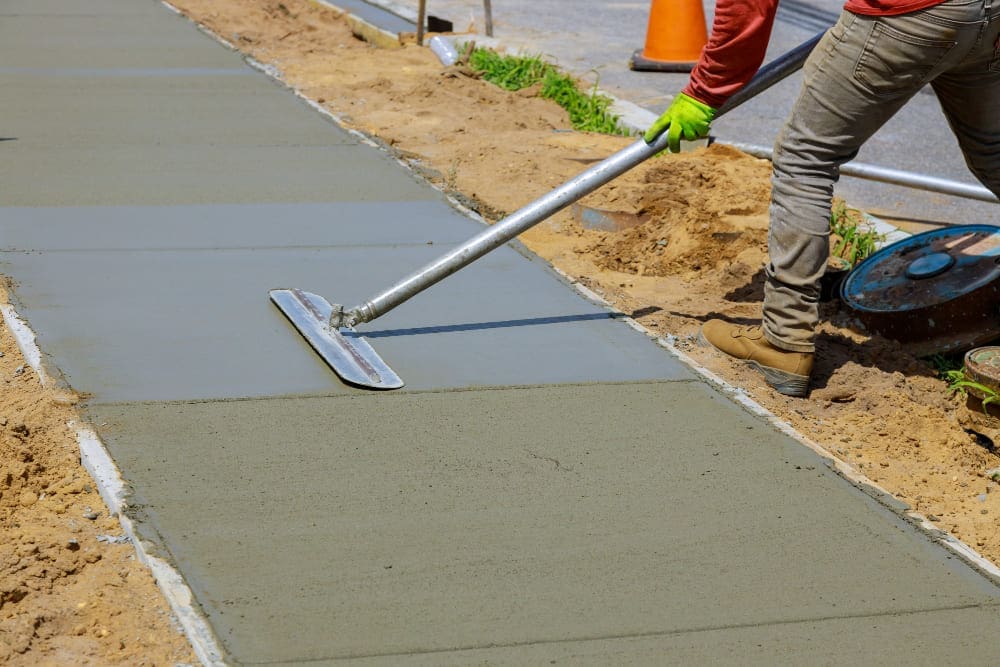
. Our expert concrete leveling techniques address uneven walkways, driveways, and outdoor spaces with precision and care.

Safeguard your property's structural integrity and health by addressing critical crawl space vulnerabilities through comprehensive moisture control, advanced insulation techniques.

Safeguard your property's structural integrity by addressing critical crawl space vulnerabilities through comprehensive moisture control, advanced insulation techniques, and targeted foundational rehabilitation.

Our advanced techniques protect your building's critical infrastructure, minimizing potential damage and ensuring long-term stability during ground movement.

Professionally address critical stem wall damage through targeted repair techniques that stabilize and strengthen your property's foundational support system.

Maximize your property's potential by strategically designing and constructing Accessory Dwelling Units (ADUs) and home additions that enhance functional living space and property value.

Unlock your garage's hidden potential by converting unused space into functional, customized living areas that add value and versatility to your property.


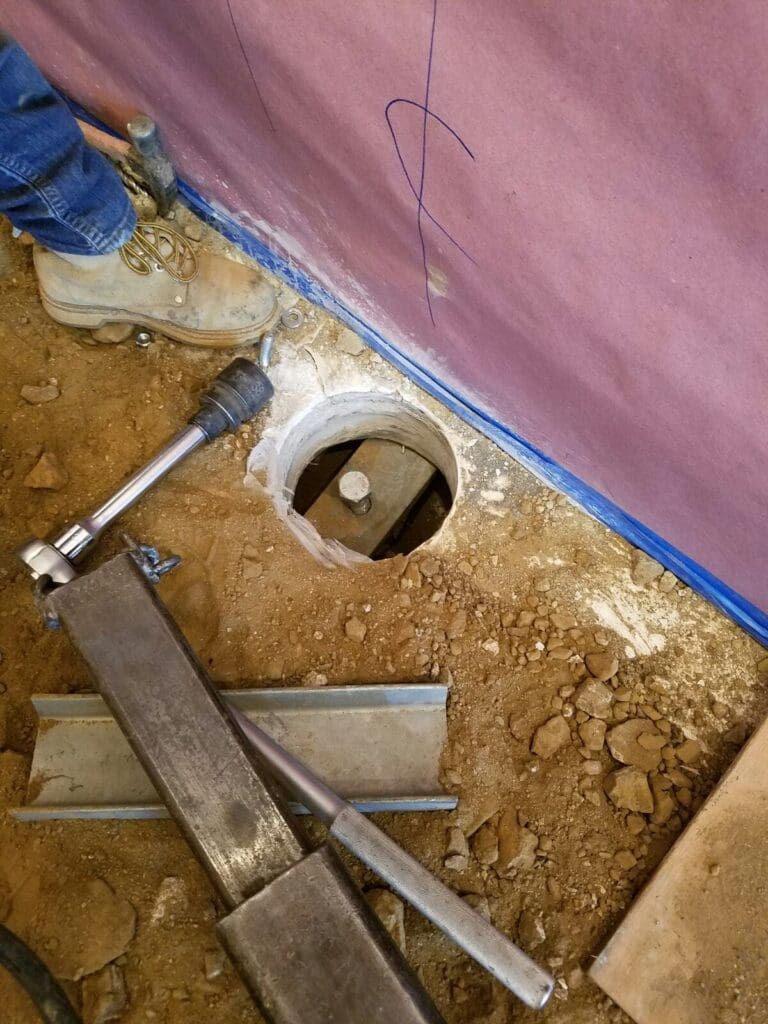
Bedrock Foundation Builders, Denver, CO premier foundation specialists. Our team exemplifies unparalleled expertise and resolute commitment to structural excellence. We transform foundation challenges into precise engineering solutions, driven by an unbreakable dedication to quality and client satisfaction. Each project reflects our passion for creating robust, enduring foundations that stand as testaments to our technical mastery and professional integrity. We don't just build foundations; we craft the fundamental support systems that bring architectural visions to life across the area.
The cost to repair a foundation varies widely based on the method, severity, and location. Minor crack injections may cost a few hundred dollars, while major underpinning or pier installation can range from $5,000 to $15,000 or more. The repair type is critical; for slab foundations, piers are common, whereas homes with crawl spaces often require different solutions. It is essential to get multiple professional inspections, as a proper diagnosis dictates the method and final cost. Addressing issues early with a qualified contractor prevents more extensive damage. For foundational support structures like those used in many repairs, understanding stem wall construction is beneficial, as detailed in our internal article Stem Walls.
Foundation repair is often a necessary investment that protects your home's structural integrity and value. While costs can be significant, ranging from a few thousand to tens of thousands of dollars, the expense of not repairing a failing foundation is typically far greater. Unaddressed issues lead to worsening cracks, uneven floors, sticking doors and windows, and can cause severe damage to plumbing and other systems. A professional repair resolves safety hazards, prevents further deterioration, and is crucial for maintaining your property's market value. For most homeowners, the long-term protection and peace of mind make foundation repair a worthwhile and often essential cost.
Homeowners insurance typically does not cover foundation repair if the damage is due to normal settling, wear and tear, or earth movement like earthquakes (which require separate coverage). However, if the foundation damage is the direct result of a sudden, covered peril listed in your policy—such as a burst pipe causing soil erosion or a vehicle crashing into the home—then repairs may be covered. The key is the cause of the damage. Always review your specific policy details and consult with your insurance provider, as coverage varies widely. For most foundation issues related to soil conditions or gradual settlement, homeowners are generally responsible for the repair costs.
Finding a good foundation repair company requires careful research. Start by seeking recommendations from neighbors or local real estate professionals, as they often have direct experience. Verify that any company you consider is licensed, bonded, and insured in your state. Look for established companies with a strong local reputation and membership in industry associations like the Foundation Repair Association. Always obtain multiple detailed, written inspections and quotes. A reputable inspector should explain the cause of the problem, not just the repair. Be wary of high-pressure sales tactics or companies offering drastically lower prices than others, as this can indicate subpar materials or workmanship. Finally, thoroughly review the warranty, ensuring it is transferable and backed by the company itself.
Foundation repair services in Centennial address common issues like settling, cracking, and water damage. A professional service will first conduct a thorough inspection, often using tools like a laser level, to assess the foundation's condition. Common repair methods include installing steel push piers or helical piers for stabilization, which are driven deep into stable soil. For less severe settling, slabjacking (mudjacking) can be used to lift concrete slabs. It is crucial to address drainage problems around the home, as water is a primary cause of foundation failure. Homeowners should seek licensed, insured contractors with strong local references and warranties on their work to ensure a lasting repair.
Foundation repair services in Centennial, Colorado, address common issues like settling, cracking, and moisture damage caused by the region's expansive clay soils and freeze-thaw cycles. A reputable service will begin with a thorough inspection, often using specialized equipment to assess the foundation's condition. Common solutions include installing steel push piers or helical piers for stabilization, which are driven deep into stable soil or bedrock. For less severe settling, slabjacking (mudjacking) or polyurethane foam injection can level concrete slabs. It is crucial to choose a licensed, insured contractor with extensive local experience who provides a detailed, written estimate and warranty. Proper drainage solutions to manage water away from the foundation are also a key part of a permanent repair strategy.