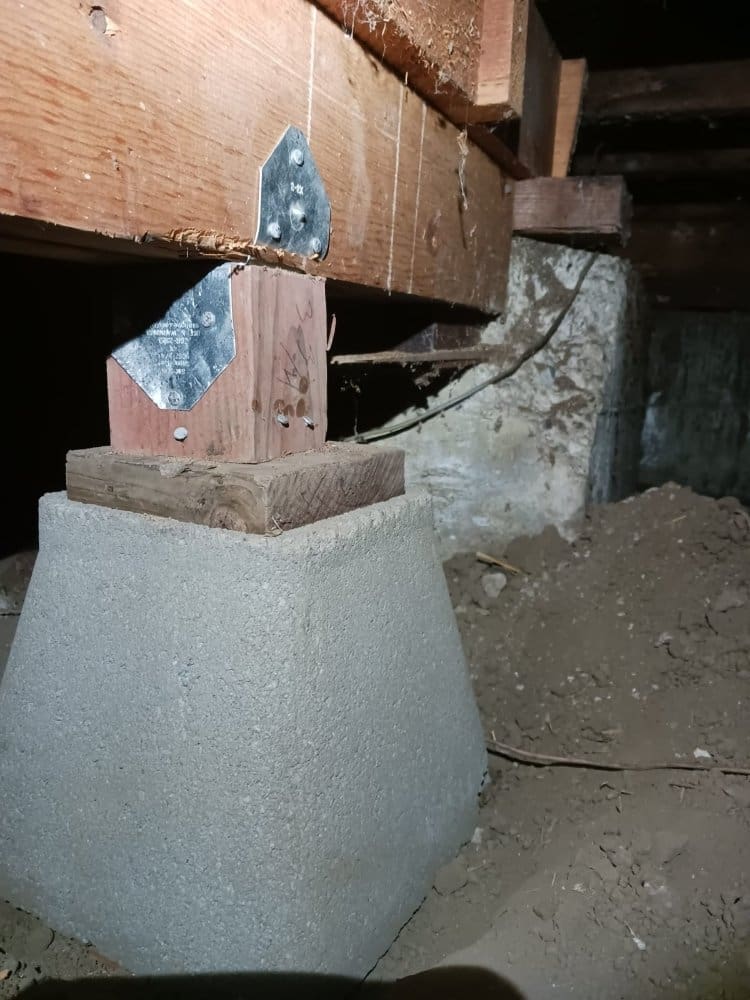
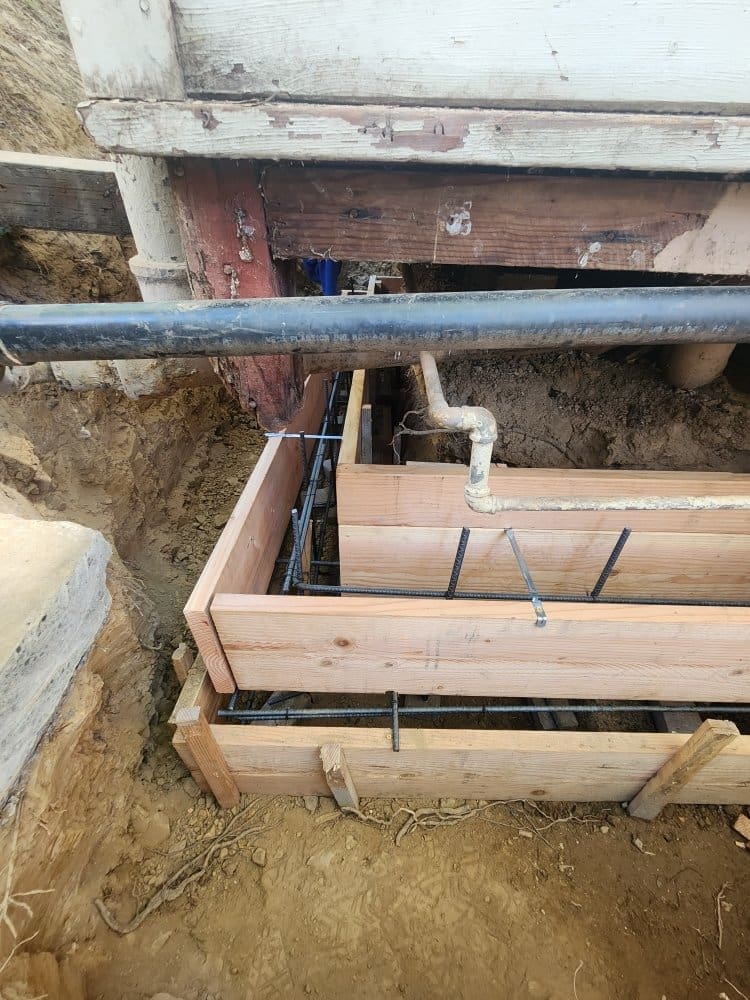


Strengthen your foundation, repair cracks, and enhance its stability to ensure long-term structural support.

Conduct a comprehensive evaluation of foundation condition, detect potential problems, and offer professional advice for upkeep.

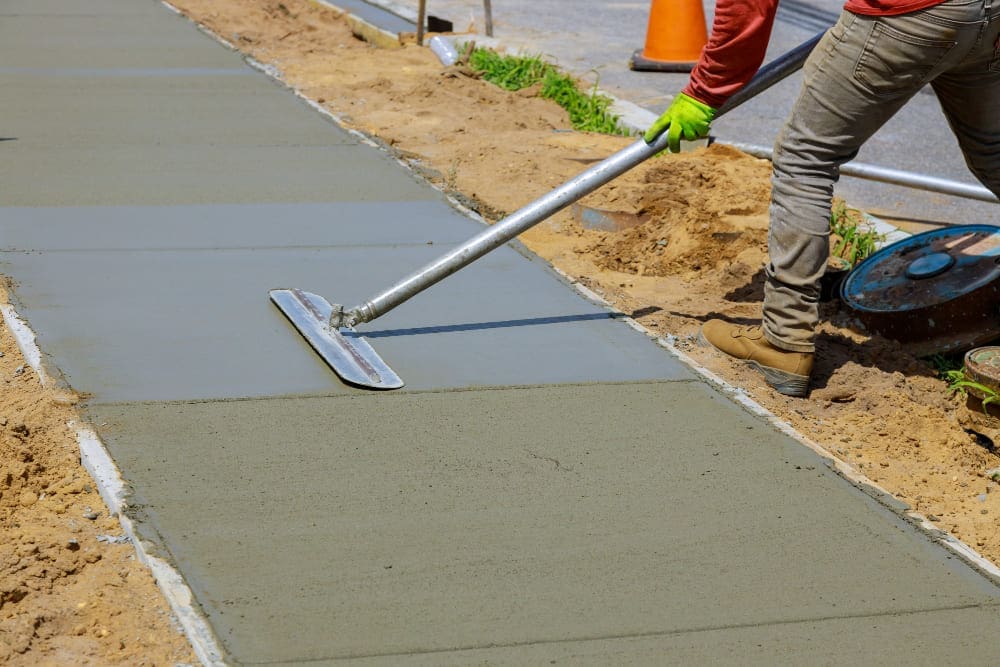
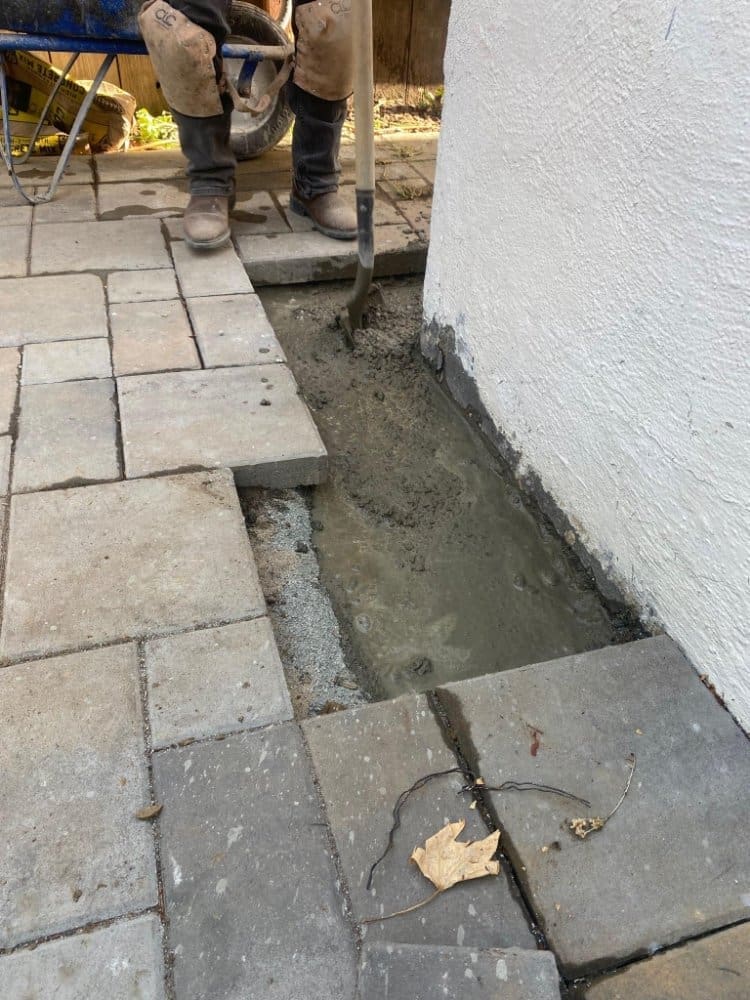
. Our expert concrete leveling techniques address uneven walkways, driveways, and outdoor spaces with precision and care.

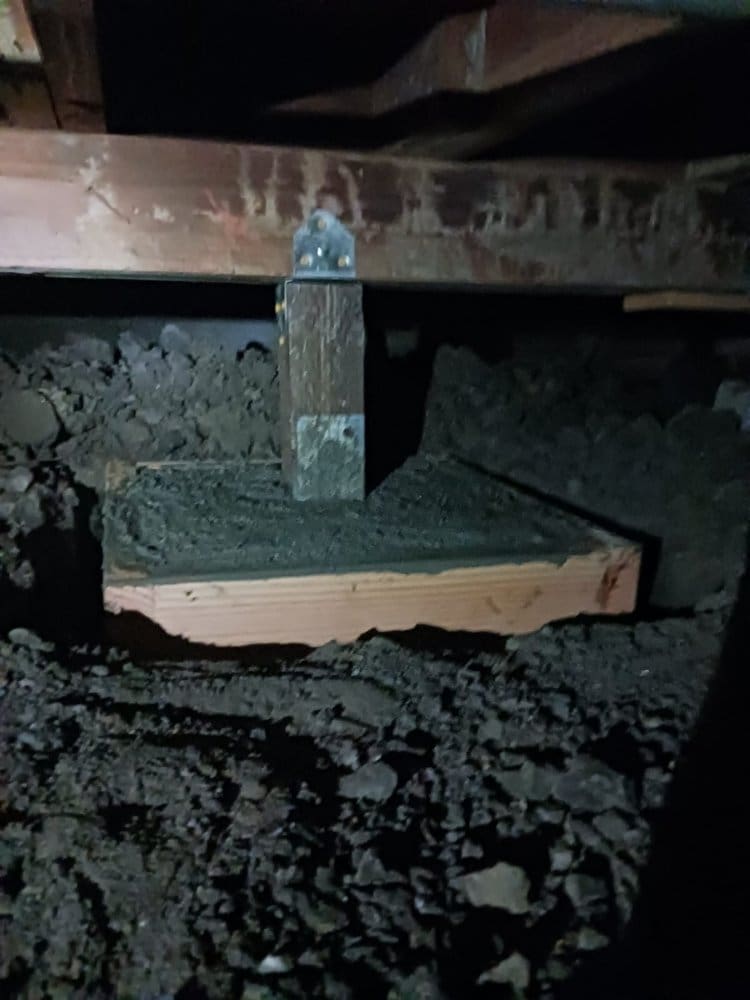
Safeguard your property's structural integrity and health by addressing critical crawl space vulnerabilities through comprehensive moisture control, advanced insulation techniques.

Safeguard your property's structural integrity by addressing critical crawl space vulnerabilities through comprehensive moisture control, advanced insulation techniques, and targeted foundational rehabilitation.

Our advanced techniques protect your building's critical infrastructure, minimizing potential damage and ensuring long-term stability during ground movement.

Professionally address critical stem wall damage through targeted repair techniques that stabilize and strengthen your property's foundational support system.

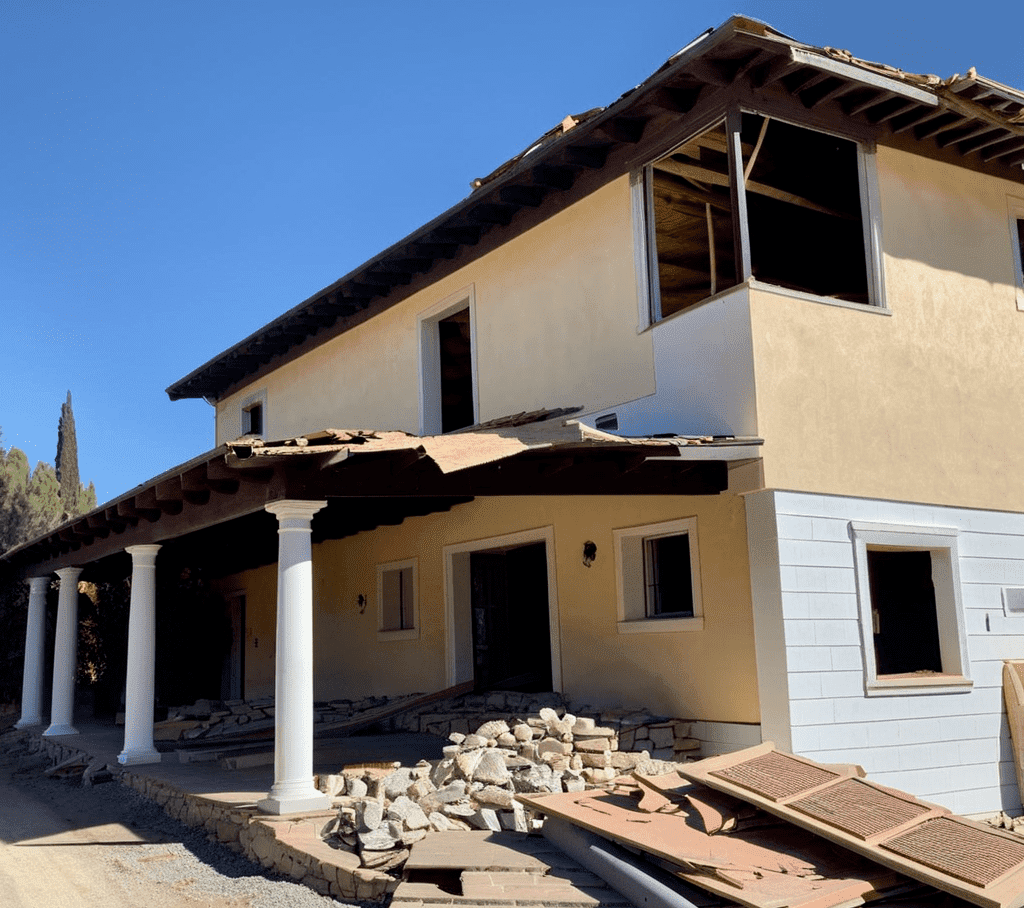
Maximize your property's potential by strategically designing and constructing Accessory Dwelling Units (ADUs) and home additions that enhance functional living space and property value.

Unlock your garage's hidden potential by converting unused space into functional, customized living areas that add value and versatility to your property.



Bedrock Foundation Builders, Denver, CO premier foundation specialists. Our team exemplifies unparalleled expertise and resolute commitment to structural excellence. We transform foundation challenges into precise engineering solutions, driven by an unbreakable dedication to quality and client satisfaction. Each project reflects our passion for creating robust, enduring foundations that stand as testaments to our technical mastery and professional integrity. We don't just build foundations; we craft the fundamental support systems that bring architectural visions to life across the area.
The typical cost of foundation repair varies widely, ranging from approximately $2,000 to over $10,000, with a national average often cited between $4,500 and $7,500. The final price is highly dependent on the repair method, the extent of damage, and regional labor rates. Minor crack sealing with epoxy might cost a few hundred dollars, while major solutions like installing steel push piers or helical piers for significant settlement can exceed $15,000. Other cost factors include the foundation type (slab, crawl space, or basement), accessibility, and necessary permits. It is crucial to obtain multiple detailed inspections and quotes from licensed, experienced contractors, as a proper, permanent repair is a significant investment in a property's structural integrity and value.
Foundation repair is often a necessary investment that protects your home's structural integrity and value. While costs can be significant, addressing foundation issues promptly prevents far more expensive damage, such as cracked walls, uneven floors, and plumbing failures. A stable foundation is critical for the safety and longevity of the entire structure. Professional assessment is key to determining the scope and appropriate repair method. Considering the potential for decreased property value and escalating repair bills if problems are ignored, the investment is typically justified. It safeguards your largest asset and provides long-term peace of mind.
Finding a reputable foundation repair company requires careful research. Start by seeking referrals from trusted sources like neighbors or local real estate professionals. Verify that any company you consider is fully licensed, bonded, and insured for this specialized work. It is crucial to obtain multiple detailed, written inspections and estimates; a trustworthy contractor will thoroughly explain the cause of the problem and the proposed solution without high-pressure sales tactics. Check online reviews and the Better Business Bureau rating. Finally, ensure they provide a strong, transferable warranty on both materials and labor, as this is a significant investment in your property's long-term stability.
Homeowners insurance typically does not cover foundation repair if the damage is due to normal settling, wear and tear, or earth movement like earthquakes (which require separate coverage). However, if the foundation damage is a direct result of a covered peril explicitly named in your policy, such as a sudden plumbing leak or an explosion, the resulting repairs may be covered. The key is the cause of the damage. You must carefully review your policy's exclusions and inclusions. It is highly advisable to document the damage thoroughly and contact your insurance provider immediately for a specific assessment, as coverage varies significantly between policies and regions.
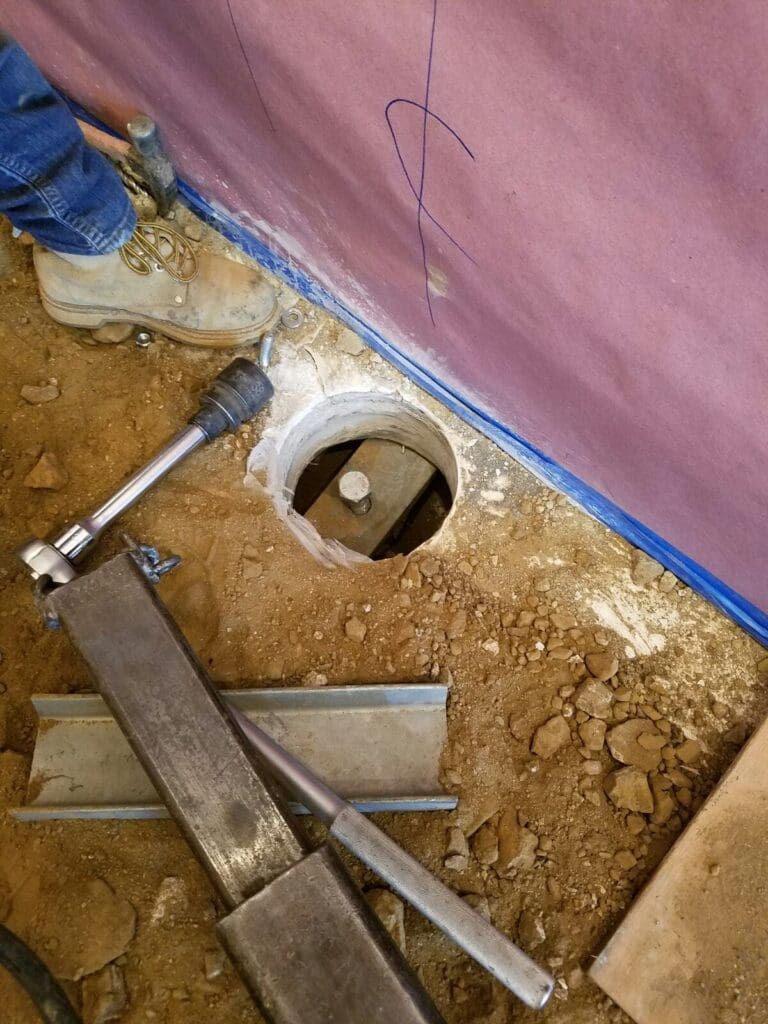
Foundation repair services in Cherry Hills Village require specialized expertise due to the area's unique soil conditions, which can include expansive clay. A reputable local service will begin with a thorough inspection to diagnose issues like settling, cracks, or moisture damage. The solution often involves underpinning methods such as steel push piers or helical piers to stabilize and lift the foundation. It is crucial to choose a licensed, insured contractor with extensive local experience who provides a detailed, written estimate and warranty. Always check reviews and ask for references to ensure quality work that adheres to Colorado building codes and protects your property's long-term value.
Foundation repair costs in Cherry Hills Village vary widely based on the specific problem and solution required. For common methods like steel push piers or helical piers, homeowners can expect a range from approximately $1,500 to $3,000 per pier installed, with most projects requiring multiple piers. Basic concrete crack sealing or underpinning for a small area might start around $5,000, while extensive foundation leveling or full-house underpinning can exceed $20,000 to $50,000. The final price is influenced by the foundation type, soil conditions, accessibility, and the severity of the damage. It is essential to obtain multiple detailed, written estimates from licensed and insured contractors who conduct thorough on-site inspections, as local soil conditions can significantly impact the necessary repair strategy.