
10 Warning Signs Your Foundation Needs Immediate Attention
Hey there, fellow Homeowner! Ever feel like your house is whispering secrets you can’t quite decode? Well, we’ve been decoding foundation SOS signals for years here at Bedrock Foundation Builders in Denver, and trust us—your foundation talks. Loudly. Ignore it? That’s like ignoring a smoke alarm because “it’s probably just toast.” Spoiler: It’s never just toast. Let’s cut through the jargon and chat about the red flags screaming, “Fix me now!”
Quick-Reference: Foundation Warning Signs & Urgency
| Warning Sign | What It Looks Like | Why Panic? |
|---|---|---|
| Cracks in Walls/Floor | Diagonal cracks near doors/windows, zig-zag mortar lines | Water intrusion, structural instability |
| Sticky Doors/Windows | Doors that jam seasonally, windows needing a shoulder-shove | Foundation shifting unevenly |
| Sloping Floors | Marbles rolling solo, “fun house” vibe | Soil settlement or erosion |
| Pooling Water | Puddles near foundation post-rain, soggy soil | Hydrostatic pressure risks |
| Bowing Basement Walls | Walls curving inward, cracks wider at top | Soil pressure overwhelming walls |
1. Cracks That Look Like Modern Art (But Aren’t Cool)
H2: When Cracks Aren’t Just Character
Notice spiderweb cracks in drywall or stair-step cracks in brick? That’s your foundation throwing shade. Tiny hairline cracks? Maybe chill. But gaps wider than a credit card? Yikes. Cracked walls often mean soil shifting under your home—common in Denver’s clay-heavy soil. FYI, we offer foundation inspection services because guessing games belong in Vegas, not your basement. Spot these? Snap pics and call us before your wall becomes abstract art.
2. Doors/Windows Sticking Like They’re Teenagers
H2: “It’s the Humidity!” (Spoiler: It’s Not)
Sure, humidity swells wood. But if your front door needs a WWE move to open in every season? Your foundation’s likely shifting. We see this daily with post and pier foundations or slab homes where soil moisture varies. Pro tip: Track sticky spots seasonally. Consistent issues? Time for a pro. IMO, it’s cheaper than replacing every door in your house.
3. Floors Sloping Like a Ski Resort
H2: When Your House Channels Its Inner Picasso
Roll a marble down the hallway. If it races like it’s training for the Olympics, your floating foundation or slab is sinking. Soil erosion or poor compaction causes this—especially after heavy rain. Concrete leveling might fix minor cases, but major dips? That’s foundation underpinning services territory. We’re Denver’s go-to for this because, well, we hate crooked coffee tables too.
4. Puddles Throwing Pool Parties Near Your Foundation
H2: Water: Foundation Kryptonite
Pooling water = enemy #1. Denver’s sudden storms? They overload gutters and saturate soil, causing erosion or expansion. Result? Hydrostatic pressure cracks your foundation. Basement water proofing and drainage service are your MVPs here. We’ve seen folks ignore this and end up with indoor lagoons. Don’t be that guy.
5. Bowing Basement Walls Doing the Wave
H2: When Walls Lean Like They’re Tipsy
Basement walls curving inward? That’s soil pressure winning the battle. Freeze-thaw cycles in Colorado turn soil into a bulldozer. Left alone, walls collapse. Stem wall repair or carbon fiber straps often save the day. Bedrock Foundation Builders stabilizes these STAT—because rebuilding a basement costs way more than bracing it.
6. Chimneys Tilting Like They’re Partying
H2: Chimneys Should Stand Tall, Not Casual
A leaning chimney isn’t quirky; it’s dangerous. It signals foundation settlement under the hearth. We once saw one detach mid-winter (hot cocoa disaster avoided, barely). Foundation repair here often involves soil stabilization services to lock everything in place.
7. Nails Popping Out of Drywall Like Zombies
H2: Nails That Just Can’t Even
If your walls look like they’re sprouting metal freckles, framing members are shifting. This sneaky sign points to uneven foundation movement. Quick crawl space repair or pier adjustments usually nips it. Ignore it? Say hello to ceiling cracks next.
8. Gaps Around Windows/Doors Big Enough for Critters
H2: When Drafts Bring More Than Fresh Air
Gaps letting in light, bugs, or Arctic chills? Your foundation’s sunk so much the frames detached. Stem wall repair or mudjacking might help. But if gaps grow yearly? Underpinning’s your best friend. FYI, critters love free real estate. Evict them.
9. Musty Smells That Outlast Your Gym Socks
H2: That “Wet Dog” Scent (Minus the Dog)
Persistent damp odors signal chronic moisture under your home. Often, it’s cracked foundations inviting water into crawl spaces. We combine basement water proofing with vapor barriers because smelling like a swamp isn’t a lifestyle.
10. Foundation Cracks Wider Than Your Ex’s Excuses
H2: When the Concrete Itself Cries for Help
Visible cracks in the foundation slab or walls? Horizontal = urgent (soil pressure). Vertical = monitor. We measure these during foundation inspection to gauge severity. Foundation contractor rule: If light shines through, call us yesterday.
Your Top 3 Foundation Qs, Answered
H2: “But Wait, Tell Me More…”
Q: How much does foundation repair cost?
A: Cost ranges wildly. Minor concrete leveling: $500-$1,500. Major underpinning: $10k+. Price depends on damage level, access, and fix type. We offer free quotes because surprises belong in birthday parties, not invoices.
Q: Can I DIY foundation fixes?
A: Unless you’re a structural engineer with a soil PhD: nope. Temporary patches often worsen things. Foundation work requires geo-tech insight (hello, Denver’s tricky soil!). We’ve fixed too many “I watched a YouTube tutorial” disasters. :/
Q: Why choose a local Denver company?
A: Soil here is different. We know how Colorado’s freeze-thaw cycles and clay soil sabotage foundations. Googling “foundation repair near me“? Pick a Denver specialist. We’re Bedrock Foundation Builders—we live here, we get it.
Wrapping Up: Don’t Play Foundation Chicken
Foundation issues won’t magically fix themselves (unless magic is in your budget). Spot these 10 signs? Get an inspection now. Small fixes prevent wallet-melting repairs later. We’re Bedrock Foundation Builders—your Denver neighbors who’ve stabilized thousands of homes. Let’s keep your castle solid.
Give us a shout today. Because your foundation should be boring, not your weekend plans. 😉
People Also Ask
Look for clear warning signs both inside and outside your home. Interior red flags include doors and windows that stick or won't close properly, visible cracks in drywall (especially stair-step cracks in brick or block), and uneven or sloping floors. Exterior signs involve cracks in the foundation walls themselves—horizontal cracks are particularly serious—as well as gaps between the foundation and the exterior siding or brick, and pooling water near the base of the home. Any sudden or widening crack demands immediate professional assessment. Ignoring these symptoms can lead to severe structural damage and costly repairs. For a deeper understanding of the risks, we recommend reading our internal article, The Hidden Dangers Of Untreated Foundation Cracks.
The average cost of fixing a foundation varies widely based on the repair method, extent of damage, and location, but typically ranges from $5,000 to $15,000 for most residential projects. Minor repairs like sealing cracks can cost a few hundred dollars, while major solutions like installing piers or underpinning can exceed $20,000. Key cost factors include the foundation type (slab, crawl space, or basement), the repair technique (e.g., slabjacking, wall anchors, or helical piers), and accessibility. It is crucial to obtain multiple detailed inspections and quotes from licensed professionals, as a proper diagnosis ensures the chosen solution addresses the root cause, preventing more expensive future damage.
The lifespan of a house foundation is highly variable, primarily dependent on the materials used, construction quality, soil conditions, and environmental factors. A properly designed and constructed concrete foundation, which is the most common type for modern homes, can last for the entire lifespan of the structure—often 100 years or more. However, factors like expansive soils, poor drainage, inadequate reinforcement, or seismic activity can significantly reduce this. Regular maintenance, including managing water drainage away from the foundation and promptly addressing cracks, is crucial for longevity. For older homes with stone or brick foundations, the lifespan may be shorter, often requiring major repair or replacement within 50-100 years.
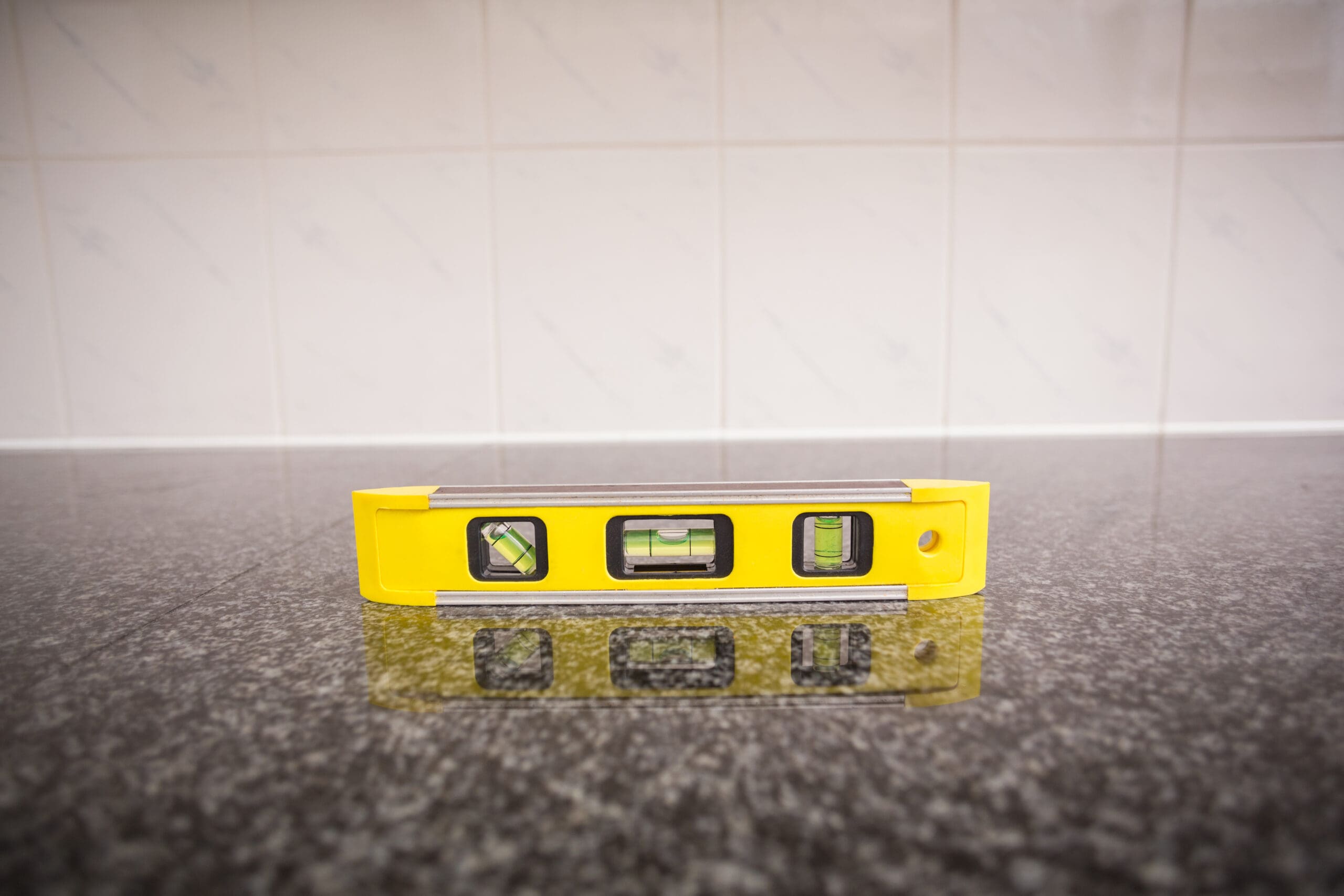
Home inspectors conduct a thorough visual examination for foundation issues, both inside and out. Exterior checks involve looking for cracks in the foundation walls, signs of settling or bulging, and problems with drainage that could cause water damage. Inside, they look for symptoms like uneven floors, cracks in drywall (especially around doors and windows), and doors or windows that stick or won't close properly. They use tools like levels and laser lines to check for floor sloping. It's a non-invasive inspection; they do not perform structural engineering analysis. Any significant cracks or signs of movement should be evaluated by a foundation specialist, as they can indicate serious underlying problems. For more on potential risks, see our internal article, The Hidden Dangers Of Untreated Foundation Cracks.
Foundation repair cost calculators provide initial estimates but are not definitive. Costs vary widely based on factors like foundation type, repair method, soil conditions, and regional labor rates. A simple online calculator might ask for square footage and symptoms, offering a broad range, such as $2,000 to $7,000 for minor piering or $10,000 to $30,000+ for major underpinning. However, these tools cannot replace a professional inspection. An engineer or specialist assesses cracks, soil stability, and drainage to determine the exact solution—be it slabjacking, helical piers, or wall anchors—and provides a firm quote. Always obtain multiple detailed estimates for any significant repair project.
The cost of foundation repair from a company like Olshan can vary significantly based on the problem's severity and chosen solution. For minor crack repairs, you might pay a few hundred dollars. However, for major issues requiring underpinning with steel push piers or helical piers, costs typically range from $1,500 to $3,000 per pier, with most homes requiring 8 to 10 piers or more. This can bring total project costs to between $10,000 and $30,000 or higher. The final price depends on foundation type, soil conditions, accessibility, and regional labor rates. Olshan and other reputable companies provide free inspections and detailed, binding quotes. It is crucial to get multiple estimates and ensure the proposed solution addresses the root cause, not just the symptoms, for a permanent repair.
A foundation repair loan is a specialized financing option used to cover the significant costs of stabilizing and fixing a compromised home foundation. These are often unsecured personal loans or home equity loans, as most standard mortgages do not cover existing structural damage. Key considerations include the loan's interest rate, term length, and whether it is secured against your home's equity. It is crucial to get multiple detailed repair estimates from licensed contractors before applying, as lenders will require this documentation. For a thorough understanding of the repair process itself, which informs the loan amount needed, we recommend reviewing our detailed resource Basement foundation Repair and reinforcement. Always compare loan offers and ensure the monthly payment fits your budget.
Foundation repair is a critical service for maintaining structural integrity, and Olshan is a well-known national provider in this industry. They specialize in solutions for settling foundations, including the installation of steel push piers and helical piers to stabilize and lift structures. A reputable contractor will always begin with a thorough inspection to diagnose the cause, which is often soil-related issues like expansion or poor compaction. Homeowners should seek multiple estimates, verify licensing and insurance, and understand warranty terms. Permanent repairs address the root cause, not just symptoms, and proper drainage correction is often a key part of a long-term solution.


Comments are closed