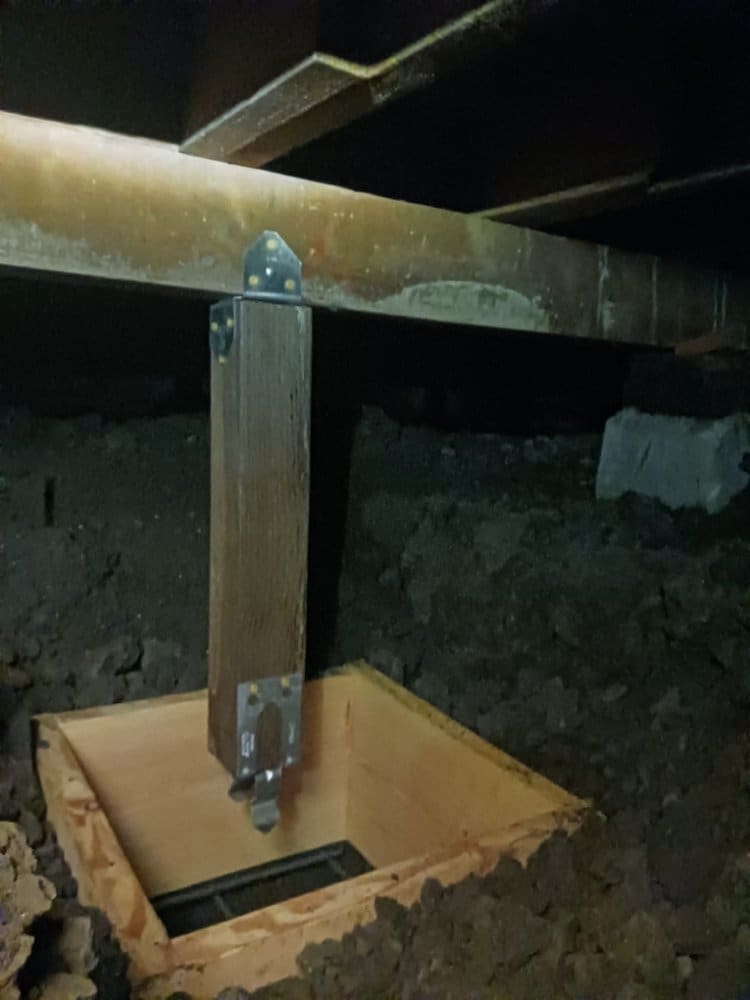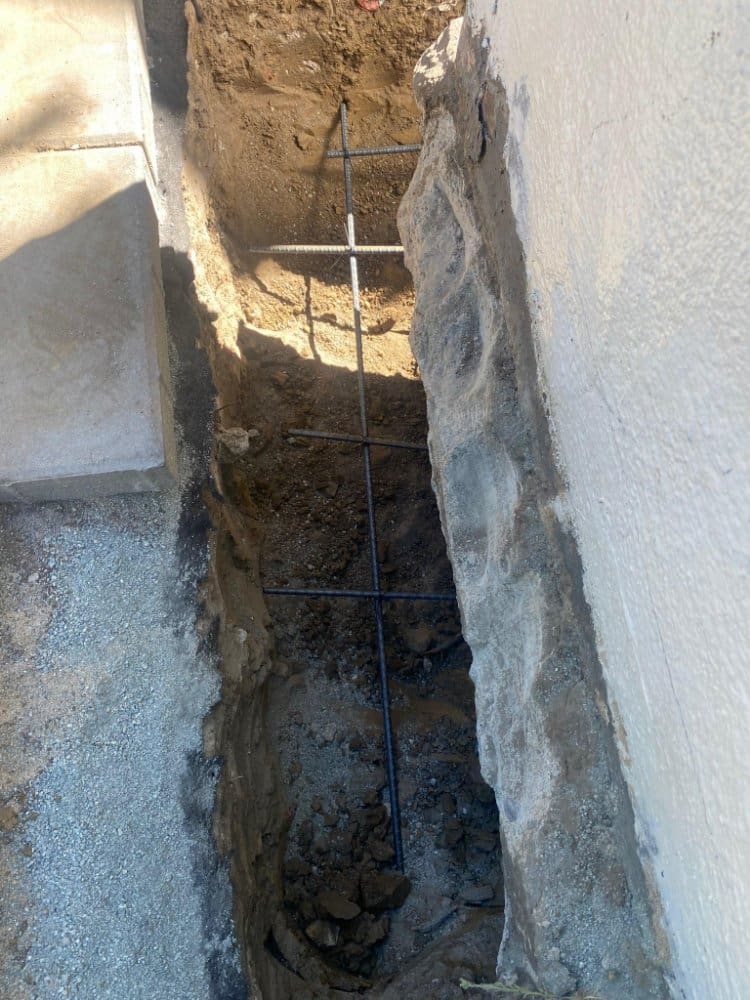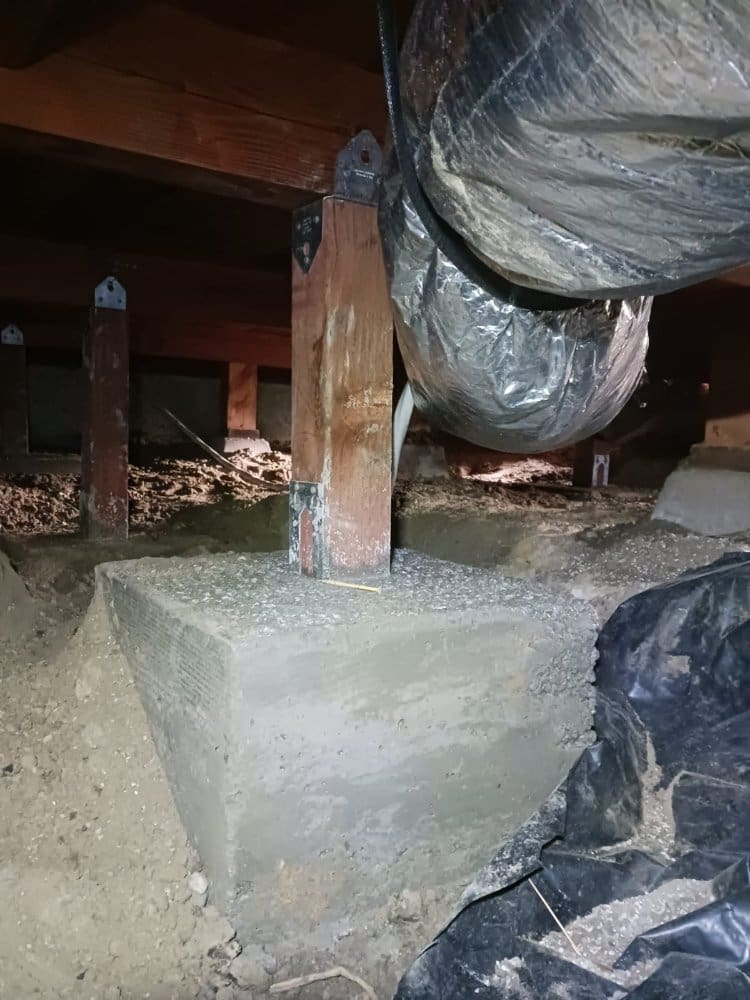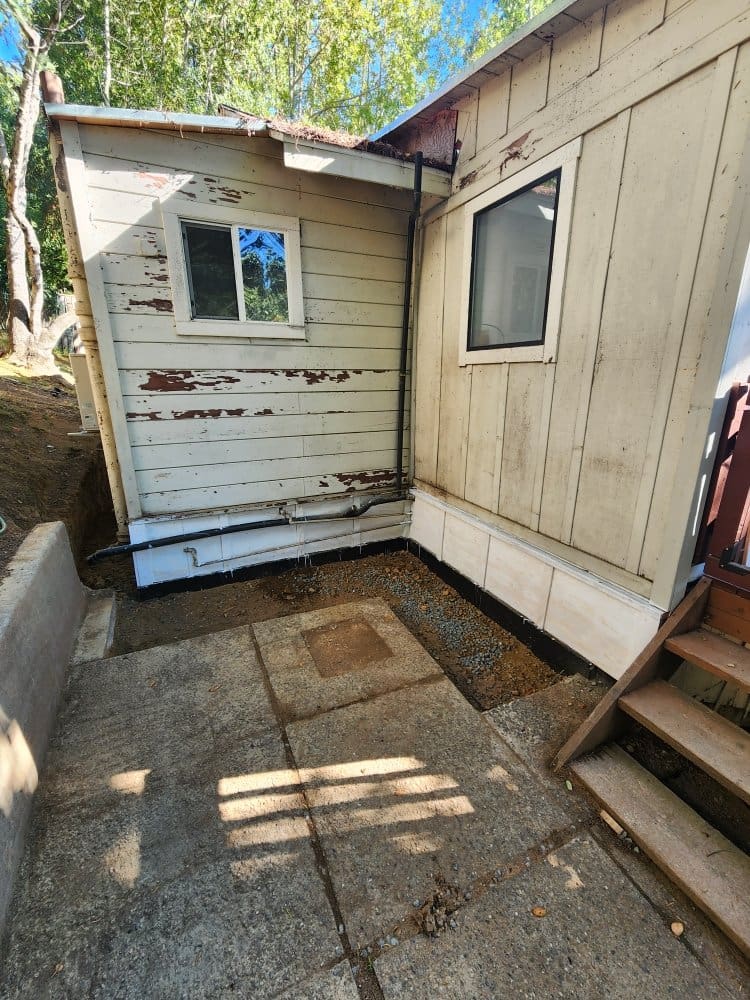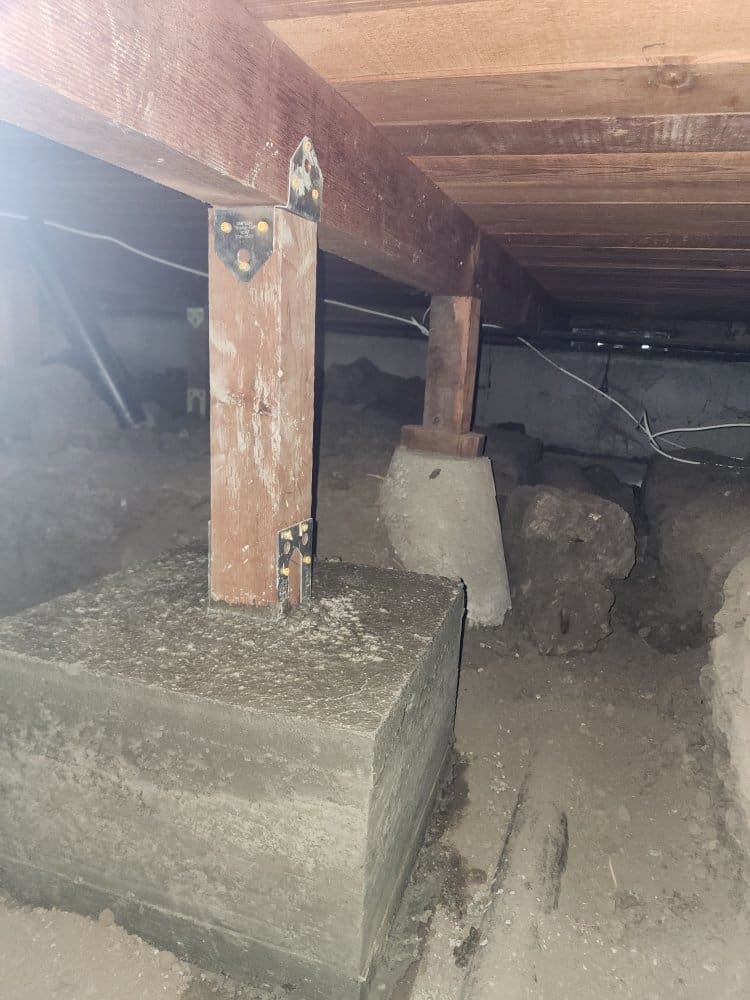
At Bedrock Foundation Builders, we handle a wide range of projects, from new home foundations to commercial structures. Common examples include poured concrete basements, crawl spaces, and slab-on-grade foundations for residential builds. We also specialize in foundation repair projects, such as installing helical piers or wall anchors for settling homes. For commercial clients, we manage large-scale concrete footings and retaining walls. Each project begins with a soil analysis and structural engineering review to ensure compliance with Denver-Aurora-Centennial building codes. Whether it is a custom home or a warehouse, our team focuses on durable, code-compliant work that supports the entire structure above it.
The most common synonyms for projects include initiatives, undertakings, ventures, assignments, schemes, plans, and programs. In a construction context, terms like developments, builds, or jobs are frequently used. At Bedrock Foundation Builders, we often refer to our work as custom builds or structural installations. The best synonym depends on the scope; a small residential job might be called an assignment, while a large commercial effort is typically termed an initiative or development.
For residential projects, the foundation must be engineered to support the specific load of the structure. In the Denver–Aurora–Centennial area, soil conditions like expansive clay require careful consideration. A deep foundation system, such as piers or a reinforced concrete mat, is often recommended to prevent differential settlement. Proper drainage and waterproofing are also critical to protect the basement or crawl space. At Bedrock Foundation Builders, we emphasize that a thorough geotechnical report is the first step for any housing project, ensuring the foundation design matches the unique soil bearing capacity and frost depth requirements of your specific lot.


53 reviews