Sloping Floor

Are you facing the frustrating issue of a sloping floor in your house? At Bedrock Foundation  we know A sloping floor is not just an aesthetic concern; it can indicate underlying problems that need immediate attention. In this guide, we’ll delve into the common causes of sloping floors, methods to assess the severity, and effective solutions for leveling sloping floors. Whether you’re dealing with sloping floors on the second floor or considering buying a house with sloping floors, we have you covered.Whether you’re experiencing sloping floors on the second floor or contemplating the purchase of a house with sloping floors, understanding the causes, severity assessment, and effective solutions is crucial to maintaining the integrity and value of your home.
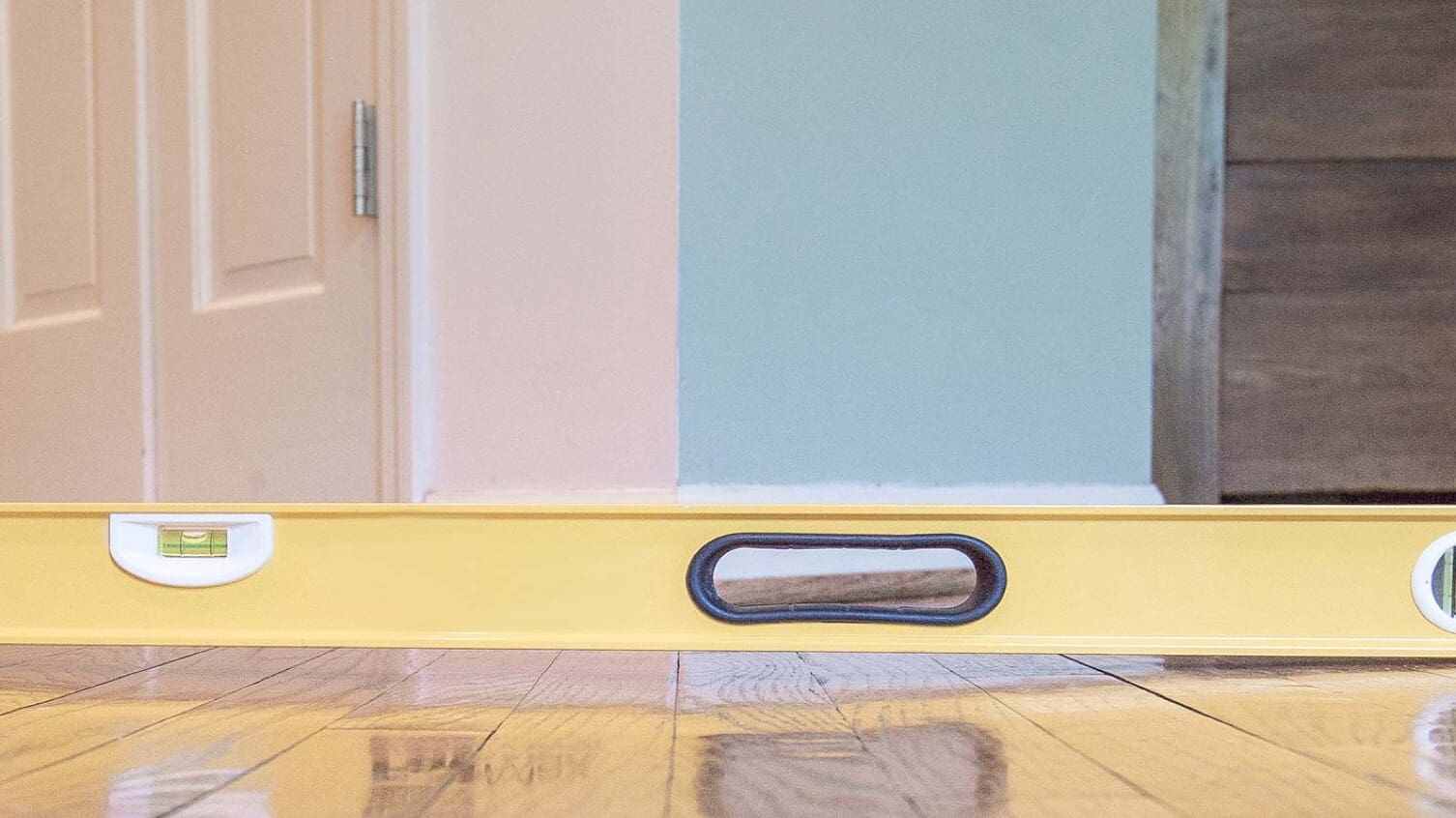
spirit level on sagging wooden floor
Sagging-floors

Sloping floors can stem from a variety of factors, each with potential implications for your home’s stability. Some common causes include:

  • Foundation Settling: As a building’s foundation settles unevenly, it can lead to shifts in the structure and subsequently sloping floors.
  • Water Damage: Excessive moisture can weaken wooden support structures, causing warping and unevenness in floors.
  • Poor Construction Practices: Improperly installed support beams or inadequate structural design can result in sloping floors over time.
  • Natural Ground Shifting: Changes in the earth beneath the foundation can lead to shifts that manifest as sloping floors. Understanding these causes is the first step in addressing the issue effectively.


Measuring the severity of a sloping floor is crucial in determining the appropriate course of action. Here’s how:

  • Visual Inspection: Walk across the room and observe if the slope is noticeable to the eye.
  • Level Check: Place a level on different areas of the floor to quantify the degree of the slope.
  • Measurements: Use measuring tools to assess the height difference between the lowest and highest points of the floor. By combining these methods, you can gauge the extent of the problem and decide on the necessary steps for repair.


  1. Identify the Underlying Cause: Before attempting any fixes, it’s essential to identify the root cause of the sloping floor. Water damage, foundation settling, or structural issues require different approaches.
  2. Consult a Professional: For accurate diagnosis and tailored solutions, consult with experts who specialize in structural repairs and foundation issues.
  3. Adjustments and Shimming: In some cases, minor sloping can be corrected by adjusting or shimming the subfloor or support beams.
  4. Underpinning or Jacking: For more severe cases, a process called underpinning or hydraulic jacking might be necessary to lift and level the foundation.
  5. Regrading and Drainage: Address water-related sloping by improving drainage around the foundation and ensuring proper grading.
  6. Complete Floor Replacement: In extreme situations, a complete floor replacement might be the most effective solution to achieve a level surface.

To prevent future sloping floor issues, consider these preventive measures:

  • Regularly inspect your foundation for signs of settling or damage.
  • Address water leaks and drainage problems promptly.
  • Hire reputable contractors using proper construction techniques for new additions.
Expert Help for Sloping Floors
When dealing with sloping floors, it’s wise to seek help from professionals experienced in structural repairs and foundation work. Attempting DIY fixes without a proper understanding of the underlying issues could lead to further complications.A sloping floor is not something to overlook. It can be an early warning sign of more significant structural problems. Whether you’re tackling sloping floors on the second floor or considering buying a house with sloping floors, taking swift action with the assistance of experts is key to ensuring your home’s safety and value.For expert advice and solutions for sloping floors, contact Bedrock Foundation Builders today. Our team of experienced professionals is ready to assess your situation and provide tailored solutions to level your sloping floors effectively.

Related Articles

People Also Ask

Sloping floors are often caused by foundation settlement or structural issues. First, identify the cause by checking for cracks in walls, sticking doors, or visible foundation damage. For minor slopes, solutions may include installing support piers or steel push piers to stabilize and lift the foundation. In cases of soil-related problems, proper drainage and moisture control are critical. It is essential to consult a structural engineer or a professional foundation repair specialist for an accurate assessment. They can recommend the appropriate method, such as slab jacking or underpinning, to ensure a long-term, safe solution that complies with local building codes.

A sloping floor is a floor surface that is not level, exhibiting a noticeable incline or decline across its span. In construction, a slight slope is sometimes intentional, such as in bathrooms or on exterior decks to direct water toward drains. However, in most living spaces, a sloping floor is often a sign of a structural problem. It can indicate foundation settlement, where the soil beneath the foundation compresses or shifts unevenly, causing the structure to sink in one area. Other potential causes include deteriorating support piers, compromised floor joists, or moisture-related soil issues. A professional assessment is crucial to diagnose the underlying cause, as ignoring a sloping floor can lead to more extensive and costly structural damage over time.

A sloping floor is a noticeable deviation from level, often visible as a gradual incline or dip across a room. It may be subtle, detected by a ball or marble rolling on its own, or more pronounced, where furniture appears tilted and gaps appear under door frames. Visually, you might see a consistent slant in flooring materials like hardwood planks or tile lines. In severe cases, walls may show corresponding cracking where they meet the ceiling. This is a critical structural warning sign, often indicating foundation settlement, compromised floor joists, or moisture-related rot. Professional assessment is essential to diagnose the underlying cause, which could range from soil issues to failing support beams, and determine the necessary corrective repairs.

Yes, it is normal for old houses to have sloping floors. This is a common characteristic due to the natural settling of the foundation and structural framing over decades. Wooden beams and joists can warp or sag over time, and older construction methods may not have accounted for modern standards of precision. While a slight slope is often considered part of an old home's character, a pronounced or worsening slope can indicate serious issues like foundation failure, wood rot, or termite damage. It's advisable to have a professional assess any significant sloping to determine if it's benign historical settlement or a problem requiring structural repair.

A sloping floor refers to a floor surface that is not level, instead having a noticeable incline or decline across its span. This condition can indicate serious structural issues, such as foundation settlement, soil movement, or deterioration of support beams and joists. While some slope in very old buildings may be considered normal, a new or increasing slope is a significant red flag. It often requires a professional structural inspection to diagnose the underlying cause, which could be related to expansive soils, poor drainage, or inadequate original construction. Addressing a sloping floor promptly is crucial, as it can lead to further damage like cracked walls and misaligned doors if the foundational problem worsens.

Sloping floors in a century-old home are a common issue often stemming from foundation settlement, wood framing deterioration, or structural fatigue over time. While some minor, uniform slope can be expected and may be harmless, significant or worsening slopes require professional assessment. A structural engineer or foundation specialist should evaluate the cause, which could be failing support posts, compromised sill plates, or foundation movement. Solutions range from installing supplemental piers or helical piles to sistering floor joists or performing a full foundation repair. Addressing the underlying structural problem is crucial before cosmetic fixes, as ongoing movement can lead to further damage and safety concerns.

Google Yelp

Overall Rating

5.0
★★★★★

34 reviews