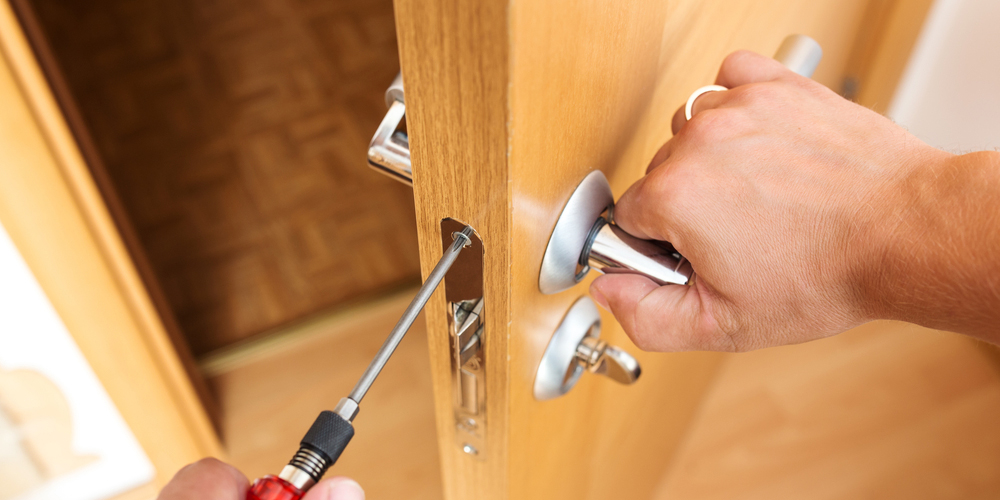
To fix a sticking door, first identify the cause. Often, it's due to humidity swelling the wood or a house settling. For a door that sticks along the top or side, check the hinge screws; they often loosen over time. Tighten them securely. If the door still binds, you may need to adjust the hinges. You can slightly bend the hinge knuckle with a hammer and nail set to realign the door. For a door scraping the floor, you might plane or sand the offending edge. Always remove small amounts of material gradually. In many cases, a thorough lubrication of the hinges with a dry lubricant like graphite powder solves the issue without needing more invasive repairs.
No, sticking doors do not always indicate foundation problems. While foundation settlement can cause door frames to shift and doors to stick, it is just one of several common causes. More frequently, sticking is due to seasonal changes in humidity and temperature, which cause wood to swell. Normal settling of a house over time, poor initial installation of the door or frame, and accumulated paint or debris in the frame are also typical culprits. However, if sticking is accompanied by other signs like visible cracks in walls or floors, gaps around window frames, or doors that no longer latch, it may warrant a professional foundation inspection to rule out more serious structural issues.
Doors can suddenly stick due to environmental changes and physical wear. The most common cause is humidity; wood absorbs moisture from the air, causing doors to swell and bind against the frame. This is especially noticeable with seasonal shifts. Other reasons include a house settling, which can shift the door frame out of alignment, or loose hinges causing the door to sag. To diagnose, check for visible rubbing marks. Often, tightening the hinge screws or planing a small amount of wood from the sticking edge resolves the issue. For persistent problems, consulting a professional ensures the door and frame are properly squared and adjusted.
To lubricate a sticking door, first identify the source of the friction. Common points are the hinges, the latch, or where the door meets the frame. For hinges, use a lightweight lubricant like a silicone spray or a household oil (e.g., 3-in-1 oil). Apply a small amount directly to the hinge pins. If the door is sticking along the top or side, the issue may be due to swelling or misalignment; lubrication is often a temporary fix. For the latch mechanism, a dry graphite powder is ideal as it won't attract dust. After applying, work the door back and forth to distribute the lubricant. Regular maintenance prevents future sticking and wear.
To fix a door that sticks due to humidity, first identify the exact spot where it is rubbing by marking it with chalk or a pencil. If the sticking is minor, you can often sand or plane the high spots on the door edge. For more persistent issues, tightening the hinge screws is a crucial step, as loose hinges can cause the door to sag and bind. In cases of severe swelling, you may need to remove the door to plane a significant amount from the edge, then repaint or seal it thoroughly with primer and paint to prevent future moisture absorption. Addressing the room's humidity with a dehumidifier is also a key long-term solution to prevent recurrence.
To fix a sticking door, first identify the source of the problem. Often, it's caused by humidity swelling the wood or a house settling. For a door that sticks along the top or side, inspect the hinges. Loose screws are a common culprit; tighten them or replace with longer screws for a more secure hold. If the door still sticks, you may need to plane or sand the offending edge. Remove the door, mark the area that's rubbing, and carefully remove a small amount of material with a planer or sanding block. For a door sticking at the bottom, check if the carpet or flooring is obstructing it; trimming the bottom of the door may be necessary. Always make minor adjustments gradually to avoid overcorrecting.
To fix a door that sticks at the bottom, first identify the cause. Often, it's due to humidity swelling the wood or a settling house. For a quick fix, locate the exact sticking point by opening and closing the door to see where it rubs against the frame or floor. If the door is painted, you may need to sand or plane the bottom edge. Remove the door by popping the hinge pins, lay it on a stable surface, and carefully plane or sand a small amount from the bottom edge. For a less invasive approach, you can tighten the hinge screws, as loose hinges can cause the door to sag and stick. After adjusting, rehang the door and test it. If the problem is severe or related to structural settling, consulting a professional is recommended.
To fix a door that sticks at the top, first identify the cause, which is often due to humidity swelling the wood or a sagging frame. Check the top hinge, as loose screws are a common culprit. Tighten all hinge screws firmly; if they spin without gripping, remove them and fill the holes with wooden dowels coated in wood glue or use specialized hinge repair plugs. Once dry, re-drill pilot holes and reinstall the screws. If the door still sticks, you may need to plane or sand a small amount of material from the top edge of the door where it contacts the frame. Always remove material gradually and test the fit frequently to avoid over-cutting. For persistent issues, inspect the door frame for squareness and consider consulting a professional for structural adjustments.
33 reviews