
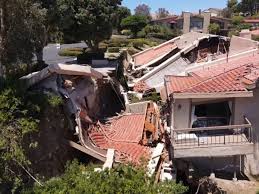
Ever notice how the one thing holding everything else up is the thing we think about the least? We’re talking about our home’s foundation, of course. It’s out of sight, out of mind—until it isn’t. Suddenly, a sticky door or a hairline crack in the drywall becomes a source of low-grade panic. Sound familiar? We get it. We’ve spent years in the trenches (sometimes literally) here in Colorado, and we’re here to have a real chat about what’s going on under our feet. No scare tactics, just straight talk from one homeowner to another.
Getting to Know Your Foundation’s Personality (Yes, Really)
Let’s be honest, foundations aren’t exactly the life of the party. But they do have personalities, largely dictated by what’s happening in the soil beneath them. Here in Colorado, our dirt is… special. We have expansive clay that swells like a sponge with moisture and shrinks in drought, and areas with less-than-ideal compaction from way back when. This constant movement is the main culprit behind most of our headaches.
Think of your foundation as the ultimate negotiator between your house and the ground. When the ground moves, the foundation has to manage that stress. Sometimes it handles it gracefully. Other times, it sends up distress signals. Ever wondered why that one crack keeps reappearing no matter how many times you patch it? It’s likely because the movement underneath hasn’t been addressed. That’s where a professional foundation inspection becomes your best friend, not just a scary line item.
Decoding the SOS Signals from Your House
Your house is pretty chatty if you know how to listen. It’s constantly giving you updates on its structural health. We’re not talking about ghosts in the attic; we’re talking about clear, physical signs. Ignoring them is like ignoring a check engine light—it usually just gets more expensive.
So, what’s the chatter about? Here are the big ones:
- Cracked Walls: Not all cracks are created equal. Hairline cracks in the drywall? Probably just settling. Stair-step cracks in brick or horizontal cracks in basement walls? That’s your house shouting for help.
- Doors and Windows That Fight Back: If you’re suddenly practicing your shoulder checks to open a door, it’s likely a framing issue caused by foundation movement.
- Uneven Floors: That charming “character” slope in your century home might be more than charm. A noticeable dip or slope is a classic sign.
- Gaps: Where your walls meet the ceiling or your fireplace is separating from the wall. These gaps tell a story of shifting.
Seeing one or two minor things might not be a five-alarm fire. But when you start seeing a combination, it’s time to call in a professional foundation contractor for a diagnosis. Which, FYI, is something we at Bedrock Foundation Builders in Denver do every single day. We can tell you if it’s simple settling or something that needs immediate foundation repair.
Your Foundation Repair Menu: A Quick Guide
The world of foundation repair has its own language. It can feel overwhelming, but it’s really about matching the right solution to your specific problem. Let’s break down some of the most common services you’ll hear about, especially for homes near the Front Range.
For When the Ground Just Won’t Stay Put: Soil Stabilization & Underpinning
If the problem is weak or shifting soil, we need to improve the ground itself or bypass it entirely.
- Soil Stabilization Services: This is like giving the ground a stiff drink to firm it up. We inject polymers or other materials to compact and solidify the soil, providing a more stable base.
- Foundation Underpinning Services: This is the heavy-duty solution. We extend the foundation deeper down to more stable soil or bedrock. It’s like adding new, longer legs to a wobbly table. This is often the permanent fix for serious settling.
The Niche Fixes: From Crawl Spaces to Basements
Not every home has a full basement, and each type needs specific care.
- Post and Pier Foundation Repair: Common in older homes and mountain properties. Over time, posts can sink or rot, and beams can sag. We replace and reinforce to level the structure.
- Crawl Space Repair: This includes everything from replacing vapor barriers and addressing mold to installing new support piers and beams. A healthy crawl space is critical for a healthy home.
- Stem Wall Repair: That short concrete wall your house sits on if you have a crawl space? That’s the stem wall. Cracks or bowing here need specialized repair to prevent major structural issues.
The Preventative Power Moves: Water is Public Enemy #1
In our climate, water management isn’t optional; it’s essential for foundation health.
- Basement Water Proofing: This is a full-system approach—interior drains, sump pumps, and sealants—to keep your basement dry no matter what.
- Drainage Solutions: It all starts outside. Proper grading, downspout extensions, and French drains direct water away from your foundation, solving problems before they start.
Making Sense of the Investment: Cost vs. Price
Alright, let’s talk about the elephant in the room: the cost. We know it’s a major concern. But there’s a big difference between price and long-term cost.
A low upfront price from an inexperienced crew might mean a temporary fix that fails in two years. A proper investment with a reputable company like ours solves the problem for good. The price of foundation work in Colorado varies wildly based on:
- The repair method needed (e.g., concrete leveling vs. full underpinning).
- The size and accessibility of your home.
- The extent of the damage.
To give you a clearer picture, here’s a basic comparison of common services:
| Service | Best For | What It Involves | Relative Investment Level |
|---|---|---|---|
| Concrete Leveling (Mudjacking) | Sunken concrete slabs, driveways, sidewalks | Injecting a grout mixture under the slab to lift it back to level. | Lower |
| Pier Installation (Underpinning) | Homes with significant, ongoing settlement | Driving steel piers deep into stable soil to permanently support and lift the foundation. | Higher |
| Basement Water Proofing | Chronic moisture, seepage, or flooding | Installing interior drainage systems, sump pumps, and applying sealants. | Medium to High |
| Crawl Space Encapsulation | Musty smells, high humidity, mold in crawl space | Sealing the space with a vapor barrier, often adding dehumidification. | Medium |
IMO, the real question isn’t “What does it cost?” but “What is the cost of not fixing it?” Ignored foundation issues can lead to destroyed flooring, plumbing leaks, and a massive hit to your home’s resale value. Now that’s expensive.
Why a Local Denver Pro is Your Secret Weapon
You wouldn’t hire a surf instructor from Kansas, right? The same logic applies to your foundation. The soil in Denver is different from the soil in Dallas or Chicago. A local expert understands the unique geology, climate, and even common construction practices for our area.
We’ve seen every type of floating foundation on the Front Range and know how the freeze-thaw cycles impact different materials. That local knowledge is priceless when diagnosing a problem and prescribing a solution that will actually last. It’s the difference between a generic fix and a custom cure.
Your Top Foundation Questions, Answered
Let’s tackle a few of the most common questions we hear.
1. “Will my homeowner’s insurance cover foundation repair?”
Usually, no. Most policies exclude foundation damage caused by settling, soil movement, or normal “wear and tear.” They typically only cover damage if it’s the direct result of a named peril in your policy, like a massive plumbing leak. Always check your policy, but plan on this being a homeowner maintenance responsibility.
2. “How long does foundation repair actually take?”
It depends on the scope. A simple concrete leveling job for a sidewalk might take a day. A full-house underpinning project with extensive crawl space repair could take a week or more. A good contractor will give you a detailed timeline before any work begins.
3. “Is foundation repair disruptive to my daily life?”
We work hard to minimize disruption. Most of the work happens outside or in crawl spaces/basements. You’ll definitely know we’re there, but you generally won’t need to move out. We’ll keep you informed every step of the way—no surprises.
Let’s Keep Your World Level
Look, we all love our homes here in Colorado. They’re our biggest investment and our personal sanctuary. The foundation is the literal bedrock of that sanctuary. Paying attention to its needs isn’t about fear; it’s about smart, proactive ownership.
If you’ve been noticing signs, or even if you just want the peace of mind that comes with a professional eye, don’t wait for the small stuff to become big stuff. Get a qualified expert to take a look. We’re obviously partial, but we believe the team at Bedrock Foundation Builders offers that perfect blend of local know-how and proven solutions. We’re not just another Denver contractor; we’re your neighbors who understand the ground we all live on. So why not give us a call and start the conversation? Let’s make sure the thing holding everything up is the one thing you never have to worry about.


Comments are closed